

 English
 русский
Tungsten Carbide Rock Drilling Tools: Why They Cut Through Hard Rock Like Butter
Industry News-Content
- 1 What Makes Tungsten Carbide Rock Drilling Tools So Tough?
- 2 Common Types of Tungsten Carbide Rock Drilling Tools and Where They Shine
- 3 How to Choose the Right Carbide Drill for Your Rock Type
- 4
- 5 Maintenance Tips to Extend the Life of Your Tungsten Carbide Tools
- 6 When to Replace vs. Recondition Your Carbide Drilling Tools
- 7 Real-World Performance: What Users Gain with Quality Carbide Tools
What Makes Tungsten Carbide Rock Drilling Tools So Tough?
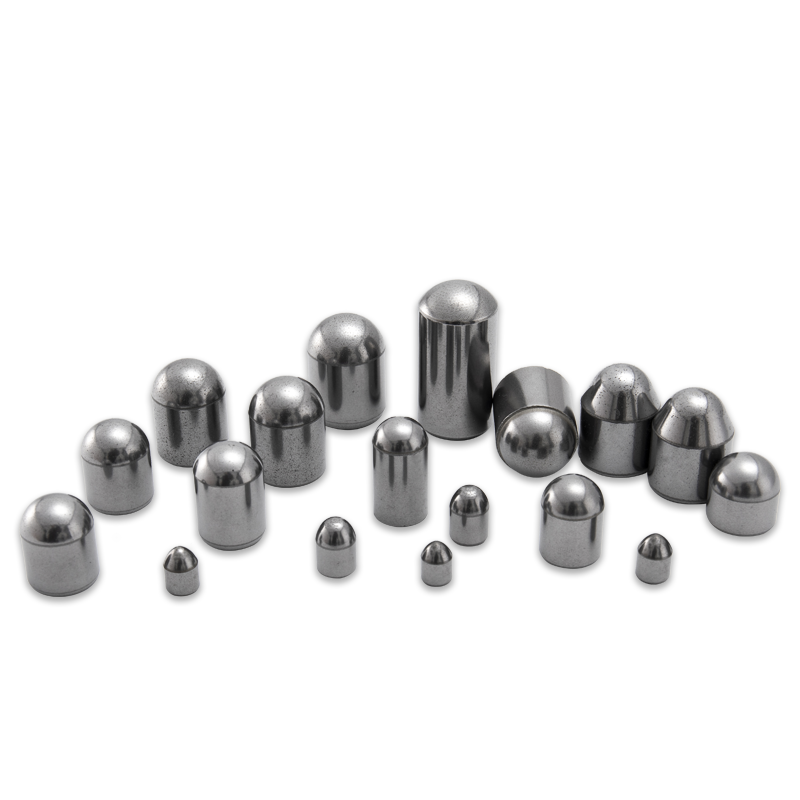
Tungsten carbide rock drilling tools get their legendary durability from a simple but powerful combination: ultra-hard tungsten carbide tips bonded to tough steel bodies. Tungsten carbide ranks just below diamond on the hardness scale, meaning it can crush, cut, and penetrate granite, quartzite, and other abrasive rock formations that would quickly destroy standard steel bits. This isn't just about hardness—carbide also resists heat buildup and wear from constant friction, allowing drills to run longer between changes. For mining crews, construction teams, and exploration drillers, that translates to fewer downtime hours, lower cost per meter drilled, and safer operations in demanding underground or surface environments.
Common Types of Tungsten Carbide Rock Drilling Tools and Where They Shine
Not all carbide drilling tools are interchangeable—each design solves specific rock-breaking challenges. Button bits excel in hard, abrasive formations thanks to their rounded carbide inserts that distribute impact force evenly. Chisel bits work well in medium-hard rock where aggressive cutting action is needed. DTH (down-the-hole) hammer bits deliver high-frequency impacts for deep boreholes, while cross bits handle fractured or uneven ground. Understanding these variations helps you match the right tungsten carbide insert tool to your geology, drilling method, and productivity goals.
| Tool Type | Best Rock Type | Key Advantage |
| Button Bits | Hard, abrasive granite, quartzite | Even wear distribution, long service life |
| Chisel Bits | Medium-hard limestone, sandstone | Aggressive cutting, faster penetration |
| DTH Hammer Bits | Deep boreholes, mixed formations | High-impact efficiency at depth |
| Cross Bits | Fractured, uneven, or soft rock | Stable drilling in unstable ground |
Why Carbide Button Bits Dominate Hard Rock Mining
In hard rock mining, carbide button bits are the go-to choice for a reason. Their spherical tungsten carbide inserts crush rock through repeated impact rather than scraping, which reduces heat buildup and prevents premature wear. The button pattern can be customized—more buttons for finer fragmentation in blasting, fewer larger buttons for faster penetration in exploration. When properly matched to hammer energy and rotation speed, these tungsten carbide rock drilling tools can drill hundreds of meters before needing replacement, making them a cost-effective workhorse for production drilling.
How to Choose the Right Carbide Drill for Your Rock Type
Selecting the best tungsten carbide rock drilling tools starts with understanding your geology. Soft, fractured rock needs a different bit design than massive, abrasive granite. Consider three key factors: rock hardness (measured on the Mohs or Protodyakonov scale), abrasiveness (quartz content), and formation stability. For high-quartz rock, choose bits with larger, more wear-resistant carbide grades. In unstable ground, opt for bits with better flushing channels to prevent clogging. Always match the bit's shank type (e.g., SDS-Max, hex, threaded) to your drill rig. Working with a reputable supplier who can analyze your core samples or drilling logs ensures you get carbide tipped drills optimized for your specific conditions.
- Test rock hardness and abrasiveness before selecting bit geometry
- Choose carbide grade based on impact vs. abrasion dominance (e.g., CG-10 for impact, CG-20 for abrasion)
- Match bit diameter and button layout to your desired hole size and fragmentation
- Verify shank compatibility with your drill rig to avoid connection failures
- Ask for performance data or case studies from similar geological settings
Maintenance Tips to Extend the Life of Your Tungsten Carbide Tools
Even the toughest carbide rock drilling equipment needs proper care to reach its full potential. Start with correct operating parameters: too much rotation speed can overheat carbide tips, while insufficient impact energy causes premature blunting. Keep flushing air or water pressure adequate to remove cuttings—clogged bits overheat and wear faster. After each shift, inspect buttons for chipping, cracking, or uneven wear, and rotate bits regularly to ensure even consumption. Store carbide tipped drills in dry, protected racks to prevent rust on steel bodies. These simple habits can extend tool life by 30–50%, significantly reducing your cost per meter drilled.
- Monitor and adjust rotation speed and impact pressure for optimal performance
- Maintain proper flushing pressure to clear cuttings and cool the bit
- Inspect carbide buttons daily for damage; replace before small chips become big failures
- Rotate bits between holes to promote even wear across all buttons
- Store tools off the ground in a dry area to prevent corrosion and physical damage
When to Replace vs. Recondition Your Carbide Drilling Tools
Knowing when to retire a tungsten carbide rock drilling tool saves money and prevents downtime. Replace bits immediately if carbide buttons are severely chipped, cracked, or missing—running damaged bits risks shattering and can damage your drill string. For moderate wear (e.g., buttons flattened but intact), professional reconditioning can restore performance at 30–50% of new-bit cost. Reconditioning typically involves re-tipping worn buttons, reshaping profiles, and heat-treating the steel body. Track meters drilled per bit and penetration rates; a 20–30% drop in speed often signals it's time for service. Partner with a certified reconditioning shop that uses original-grade carbide and proper brazing techniques to ensure restored tools perform like new.
| Condition | Action | Reason |
| Buttons flattened but intact | Recondition | Cost-effective restoration of cutting profile |
| Cracked or missing carbide | Replace immediately | Risk of catastrophic failure and rig damage |
| Steel body bent or threaded damage | Replace | Structural integrity compromised |
| 20–30% drop in penetration rate | Inspect and consider reconditioning | Early warning of wear affecting productivity |
Real-World Performance: What Users Gain with Quality Carbide Tools
Switching to premium tungsten carbide rock drilling tools delivers measurable benefits on the job site. Mining operations report 15–40% faster penetration rates in hard rock, directly boosting tonnage moved per shift. Construction crews experience fewer bit changes during foundation drilling, keeping projects on schedule. Exploration teams benefit from cleaner core samples and more accurate geological data thanks to stable, vibration-resistant carbide bits. While upfront costs for high-grade carbide tools are higher, the total cost of ownership often drops due to longer life, less downtime, and reduced fuel consumption from efficient drilling. For any operation that punches holes in rock, investing in the right tungsten carbide insert technology pays for itself many times over.
Our Products //
Related Products

If you are interested in our products, please consult us
