

 English
 русский
Why Are Tungsten Carbide Inserts for Tunnel Boring Machines the Secret to Faster Excavation?
Industry News-Content
The Critical Role of Tungsten Carbide Inserts in TBM Performance
Tungsten carbide inserts serve as the "teeth" of a Tunnel Boring Machine (TBM), bearing the brunt of the immense pressure and friction required to pulverize rock. These inserts are strategically embedded into cutter disks or drill bits to ensure the machine can navigate through various geological strata, from soft soil to extremely hard granite. Without the high hardness and fracture toughness of tungsten carbide, the cutting tools would wear down prematurely, leading to frequent, costly downtime for replacements in deep underground environments.
Material Composition and Wear Resistance
The performance of Tungsten Carbide Inserts for Tunnel Boring Machines is primarily determined by their cobalt content and grain size. A lower cobalt percentage typically increases hardness and wear resistance, which is ideal for abrasive rock. Conversely, a higher cobalt content increases toughness, preventing the inserts from cracking when hitting hard, intermittent boulders. Manufacturers often utilize "gradient" carbides that combine a hard outer shell with a tougher core to maximize the lifespan of the tool during long-distance excavation projects.
Common Shapes and Applications of TBM Inserts
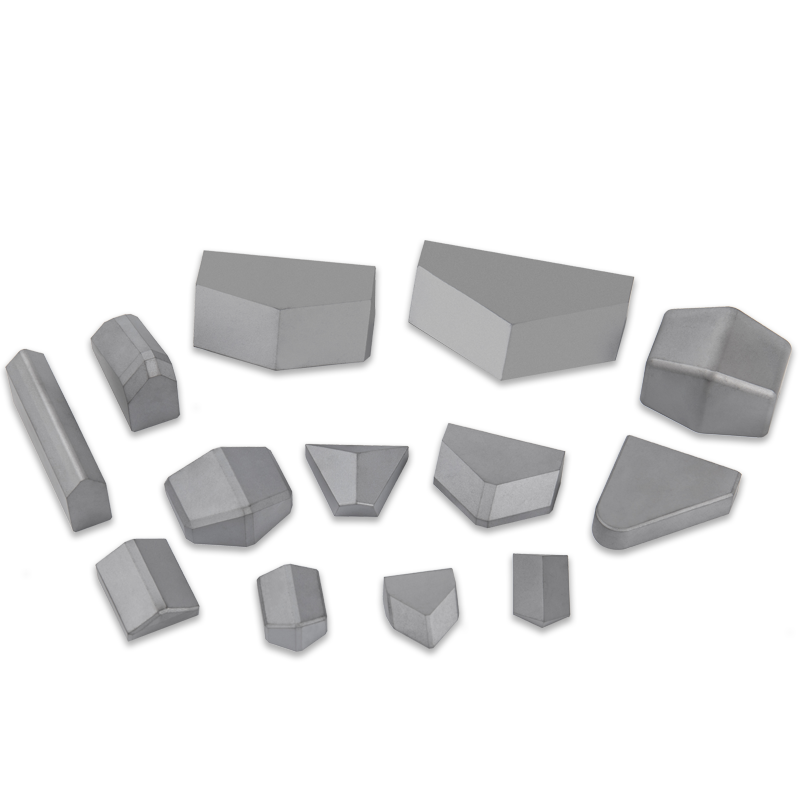
Different geological conditions require specific insert geometries to optimize the chipping and crushing process. The choice of shape directly impacts the penetration rate and the energy efficiency of the TBM. Selecting the wrong geometry can lead to "coring" or uneven wear on the cutter head, which compromises the entire project timeline.
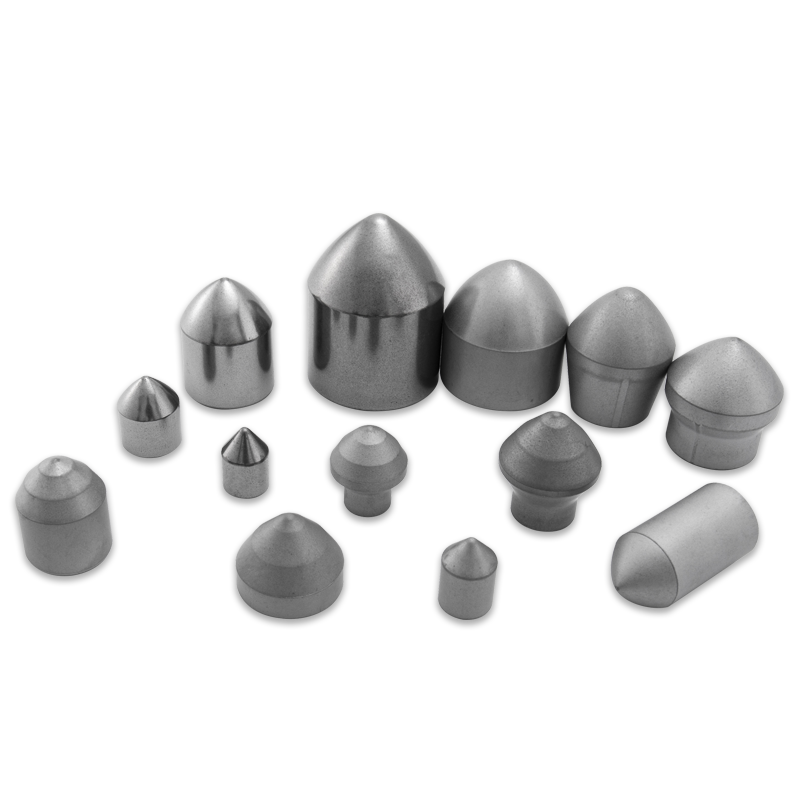
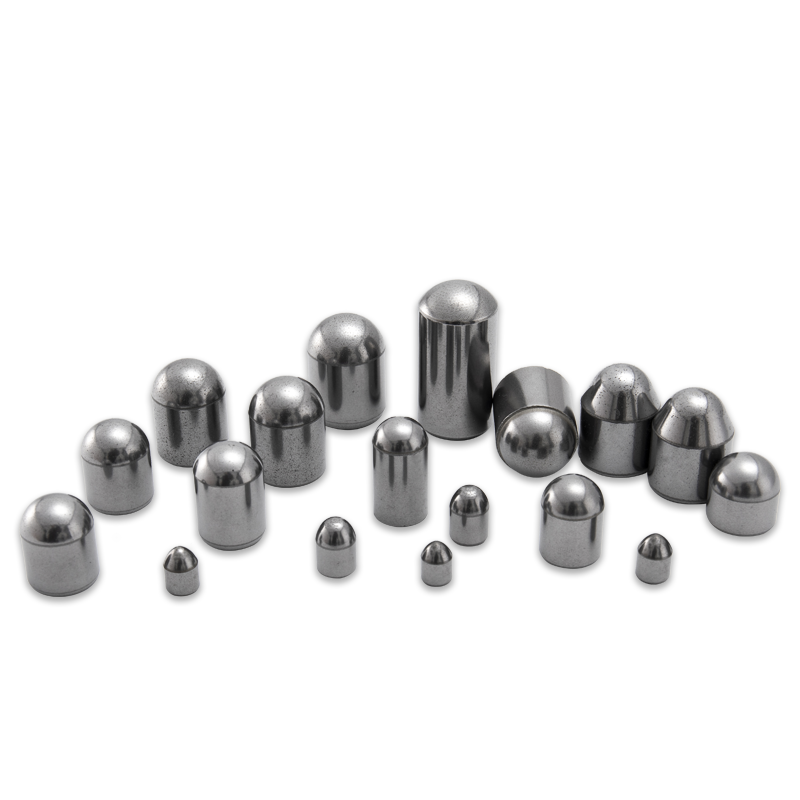
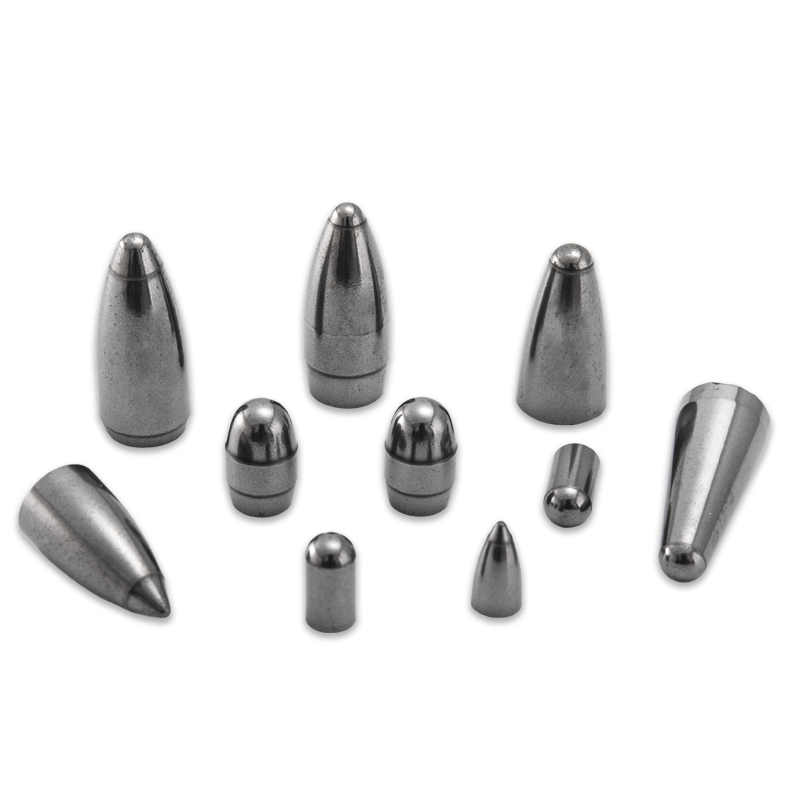
- Conical Inserts: Best suited for hard rock formations, providing deep penetration and efficient fracturing of the rock face.
- Chisel Inserts: Designed for softer or mixed ground conditions where a "shearing" action is more effective than pure crushing.
- Spherical/Button Inserts: Commonly used in highly abrasive soil to provide a balanced wear surface and long-term durability.
Technical Specifications for Different Rock Hardness
Understanding the relationship between the Unconfined Compressive Strength (UCS) of the rock and the carbide grade is essential for engineers. The following table illustrates the typical selection criteria for tungsten carbide inserts based on the ground conditions encountered during tunneling operations.
| Rock Type | Hardness (UCS) | Recommended Carbide Grade |
| Soft Sedimentary | < 50 MPa | High Toughness (10-12% Cobalt) |
| Medium Sandstone | 50 - 150 MPa | General Purpose (8-10% Cobalt) |
| Hard Granite/Basalt | > 200 MPa | High Hardness (6% Cobalt) |
Maintenance and Replacement Strategies
The economic success of a tunneling project often hinges on the maintenance of Tungsten Carbide Inserts for Tunnel Boring Machines. Monitoring the "wear flat" on the inserts allows operators to predict when a cutter disk needs to be pulled back for refurbishing. If an insert is allowed to wear past its critical point, it can cause the steel body of the cutter to fail, leading to much more expensive repairs than a simple carbide swap.
Advanced Braxing and Secure Fitment
Even the highest quality tungsten carbide is useless if the insert falls out of its socket. High-temperature brazing or specialized interference fitting is used to ensure that the inserts remain seated under extreme vibration. Quality control processes, such as ultrasonic testing, are frequently employed to verify the bond between the carbide and the steel tool holder, ensuring reliability in the most challenging subterranean environments.
Our Products //
Related Products

If you are interested in our products, please consult us
