

 English
 русский
Why Tungsten Carbide is the Backbone of Modern Manufacturing
Industry News-Content
The Unique Composition and Synthesis of Tungsten Carbide
Tungsten carbide (WC) is an inorganic chemical compound containing equal parts of tungsten and carbon atoms. In its most basic form, it is a fine grey powder, but it can be pressed and formed into shapes through a process known as sintering. This involves mixing the powder with a metallic binder—most commonly cobalt—and heating it to a point where the binder liquefies and fuses the carbide particles together. The result is a "cemented carbide" that possesses a unique combination of high density, extreme hardness, and impressive compressive strength. Because it is roughly twice as stiff as steel and significantly denser than titanium, it has become a foundational material for industries that demand durability under extreme pressure.
Material Properties Comparison
| Property | Tungsten Carbide | Stainless Steel (304) | Titanium |
| Mohs Hardness | 9.0 - 9.5 | 5.0 - 6.0 | 6.0 |
| Density (g/cm³) | 15.6 | 8.0 | 4.5 |
| Melting Point (°C) | 2,870 | 1,450 | 1,668 |
Industrial Applications in Precision Machining and Cutting
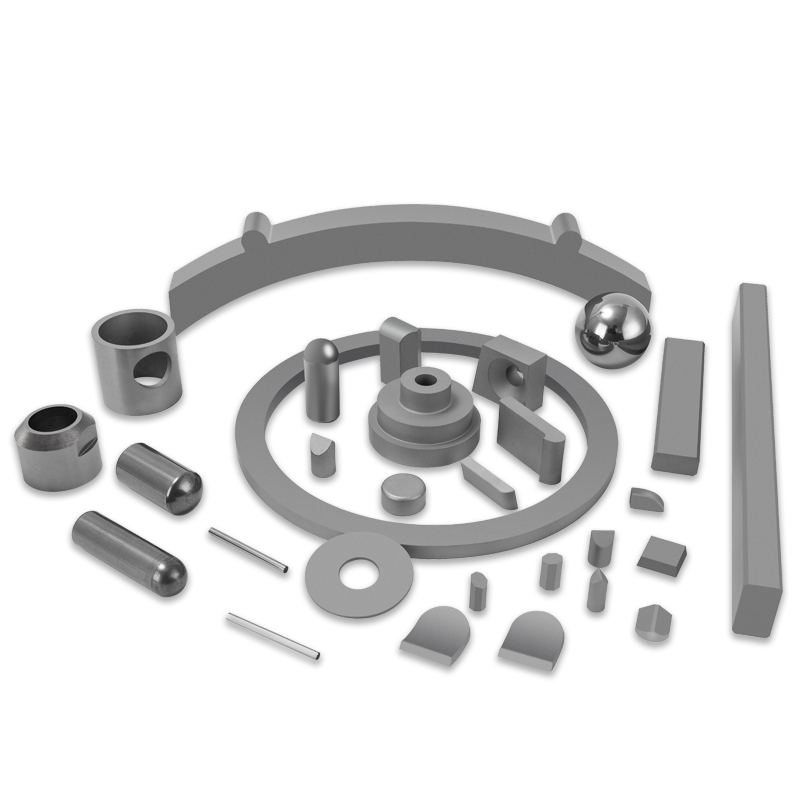
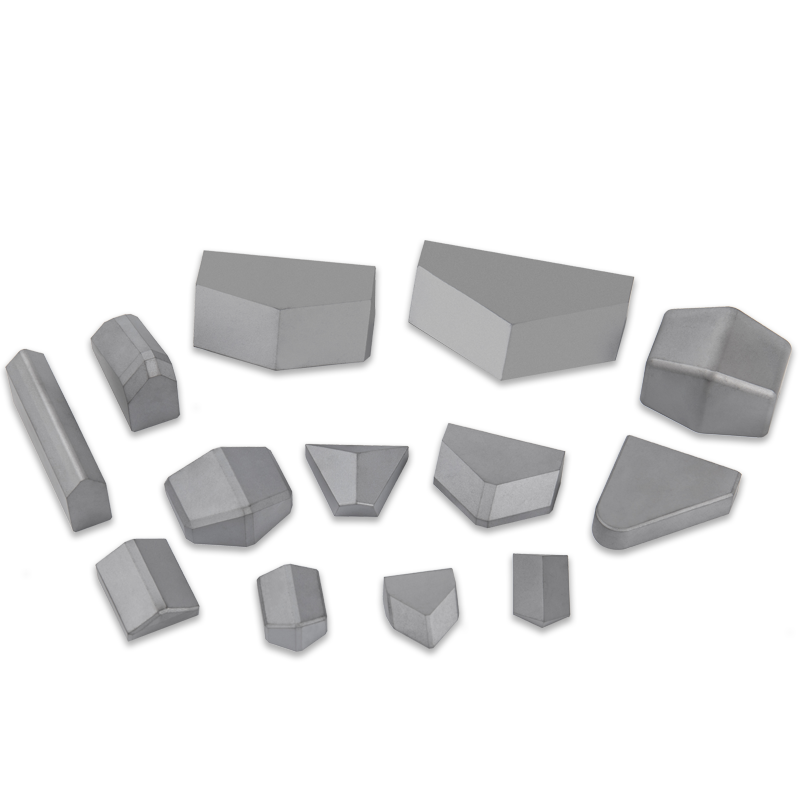
One of the most practical applications of tungsten carbide is in the creation of cutting tools for machining. Due to its ability to retain a sharp cutting edge even at high temperatures, carbide inserts and end mills allow for faster machining speeds compared to traditional high-speed steel. This "red hardness" is critical in CNC milling and turning operations where friction generates intense heat. By using tungsten carbide, manufacturers can achieve tighter tolerances and superior surface finishes on hard metals like nickel-based superalloys or hardened steels, which would otherwise dull standard tools almost instantly.
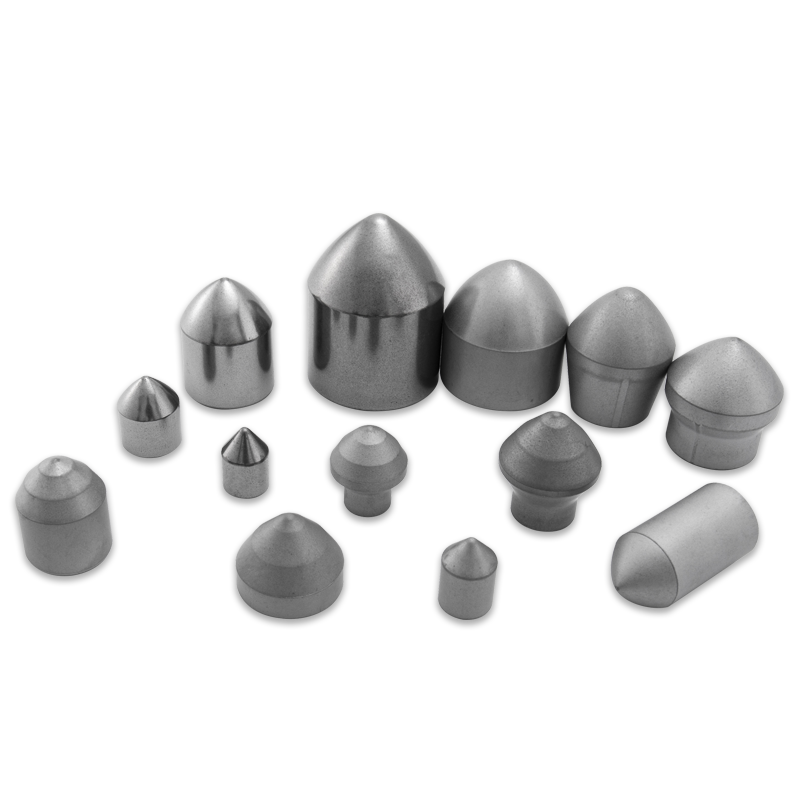
- Mining and Drilling: Carbide-tipped bits are used for boring through solid rock and concrete in oil and gas exploration.
- Metal Forming: Dies and punches made of carbide provide high resistance to deformation and wear during high-volume stamping.
- Woodworking: Saw blades with carbide teeth stay sharp up to 50 times longer than steel alternatives.
Resistance to Wear, Corrosion, and Environmental Degradation
Beyond its mechanical strength, tungsten carbide is highly valued for its chemical stability. It is virtually "wear-proof" in environments where abrasive particles are present, making it the preferred material for seal rings, bearings, and nozzles in the chemical and petroleum industries. Its resistance to corrosion is particularly noteworthy; while the cobalt binder can be susceptible to certain acids, specialized grades using nickel or chrome binders are engineered to withstand highly corrosive fluids. This ensures that precision components maintain their dimensional integrity over long periods of continuous operation.
Maintenance and Lifecycle Advantages
The longevity of tungsten carbide components significantly reduces the "Total Cost of Ownership" for industrial equipment. While the initial investment in carbide tooling is higher than steel, the reduction in downtime for tool changes and the consistency of the output make it the more economical choice in mass production. Furthermore, tungsten carbide is recyclable. Spent inserts and sludge from grinding can be reclaimed through chemical or thermal processes, allowing the tungsten to be extracted and reused in new products, which supports sustainable manufacturing practices.
Consumer and Specialized Uses of Tungsten Carbide
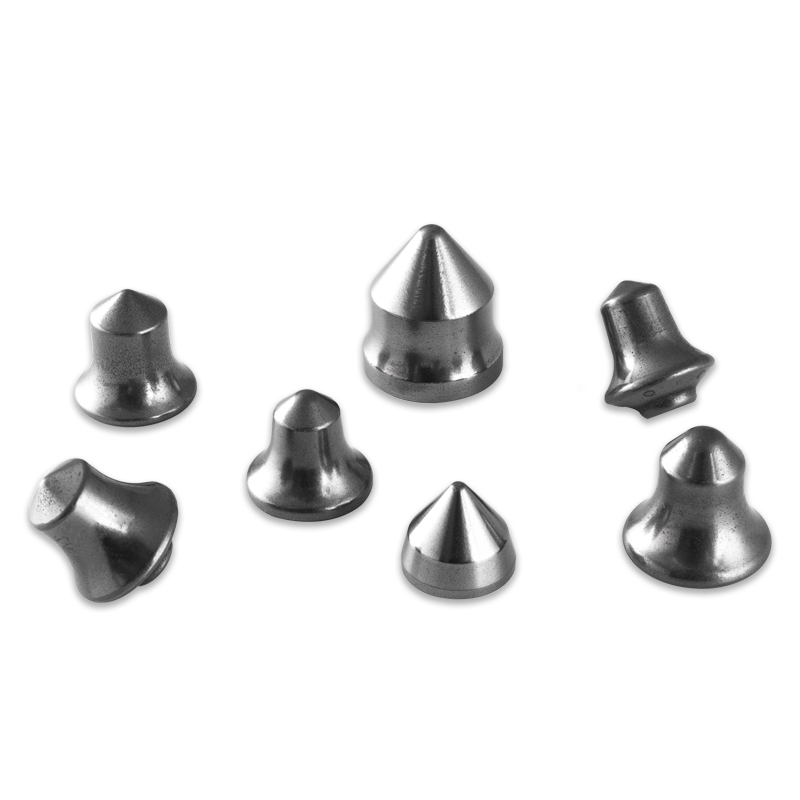
While primarily an industrial powerhouse, tungsten carbide has successfully migrated into the consumer market, most notably in jewelry and sporting goods. In the jewelry industry, tungsten carbide rings have gained popularity due to their permanent polish and scratch-resistant nature. Unlike gold or silver, a carbide ring will not bend or tarnish over time. In the sporting world, it is utilized for the tips of trekking poles and the studs of winter tires, providing essential grip on ice and rugged terrain where other materials would fail.
- Jewelry: Scratch-resistant wedding bands that maintain a mirror-like finish for decades.
- Ballpoint Pens: The rotating ball in high-quality pens is often made of carbide to ensure smooth ink delivery and prevent flat spots.
- Surgical Instruments: Carbide inserts in needle holders and scissors provide a more secure grip and a longer-lasting cutting edge.
Our Products //
Related Products
If you are interested in our products, please consult us
