

 English
 русский
Why Tungsten Carbide Rock Drilling Tools Are Essential for Modern Mining and Drilling
Industry News-Content
- 1 What Are Tungsten Carbide Rock Drilling Tools?
- 2 Why Tungsten Carbide Is Used in Rock Drilling Tools
- 3 Common Types of Tungsten Carbide Rock Drilling Tools
- 4 Applications of Tungsten Carbide Rock Drilling Tools
- 5 How to Choose the Right Tungsten Carbide Rock Drilling Tools
- 6 Maintenance Tips for Longer Tool Life
What Are Tungsten Carbide Rock Drilling Tools?
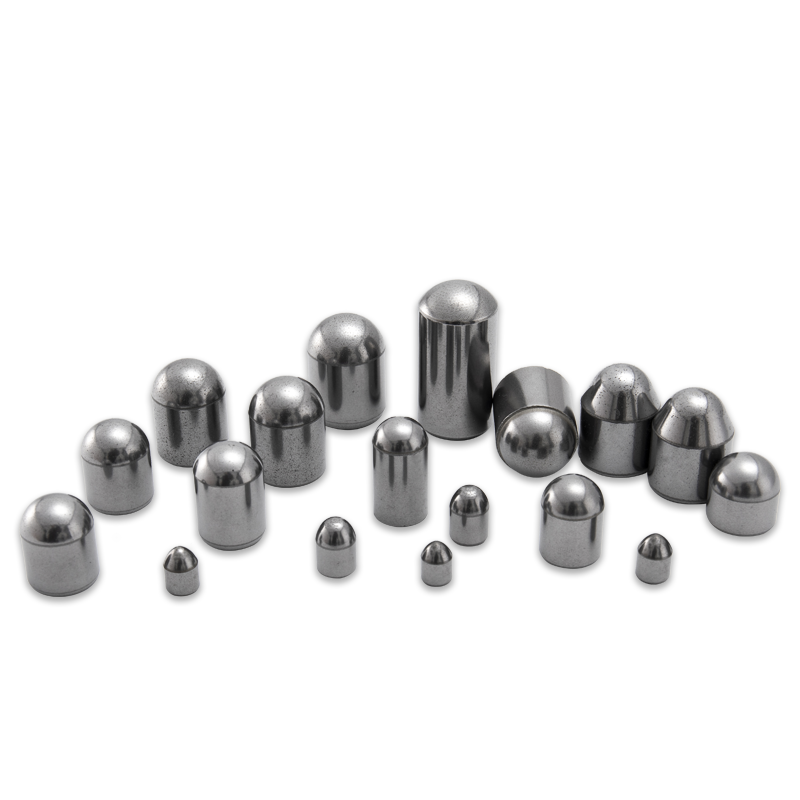
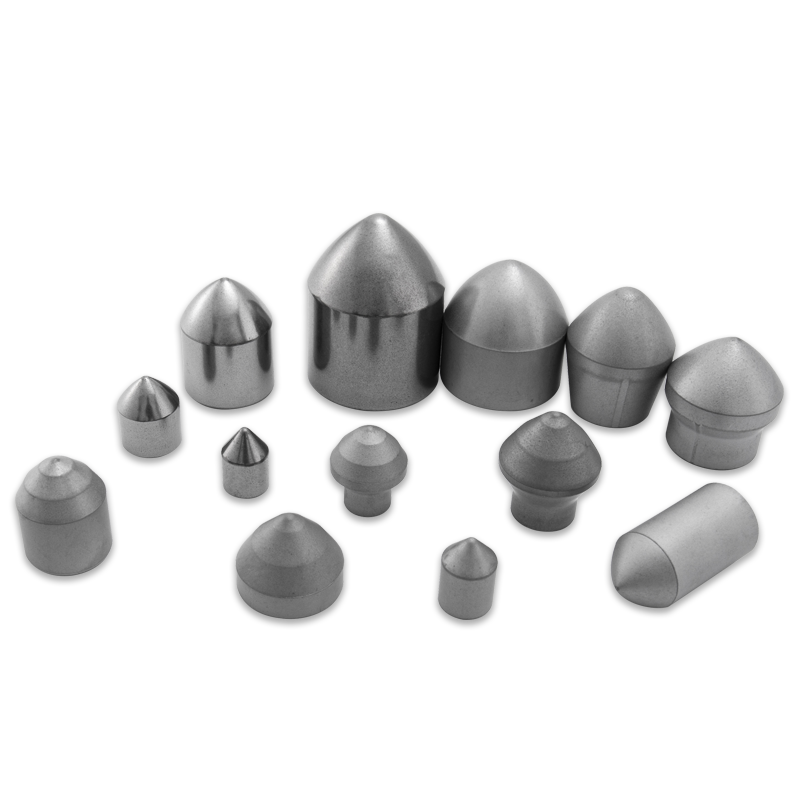
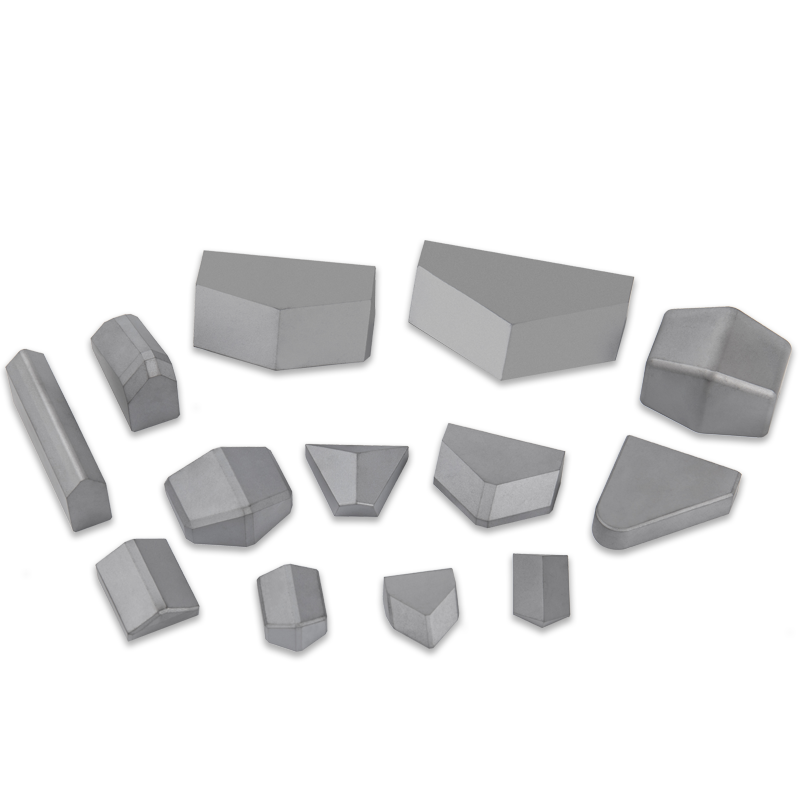
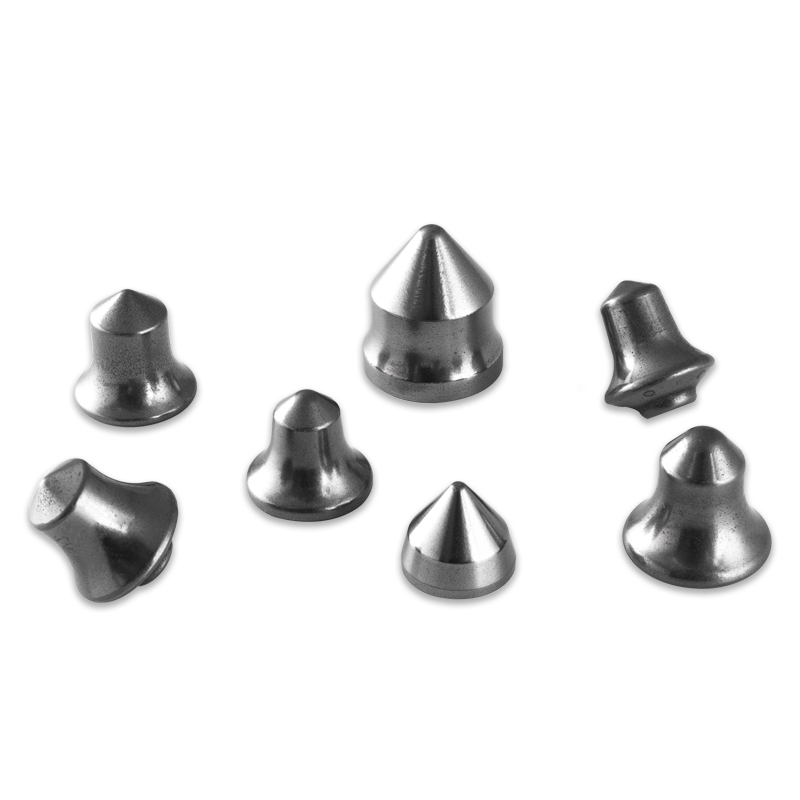
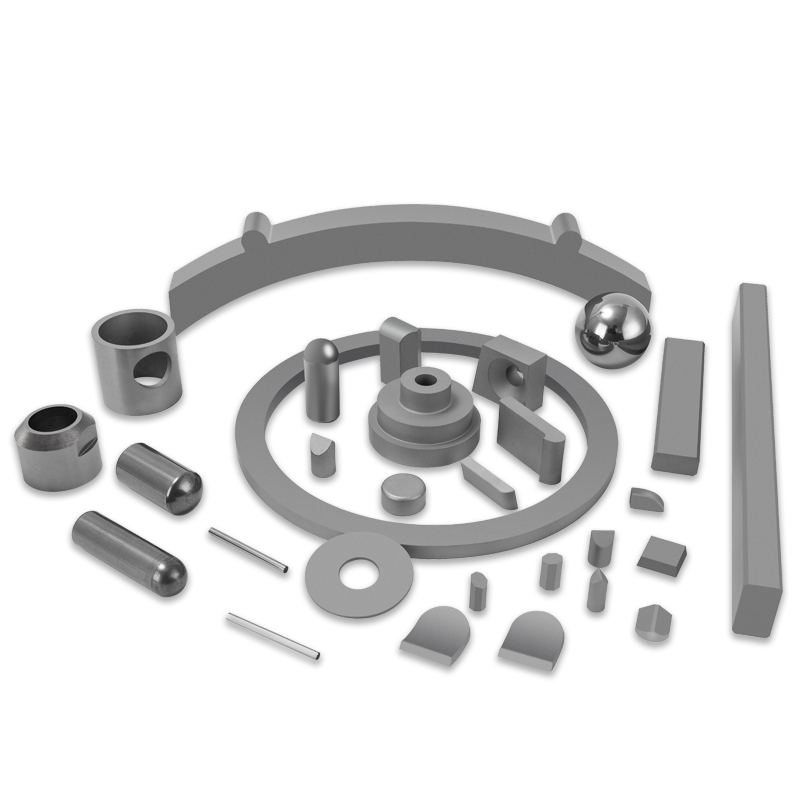
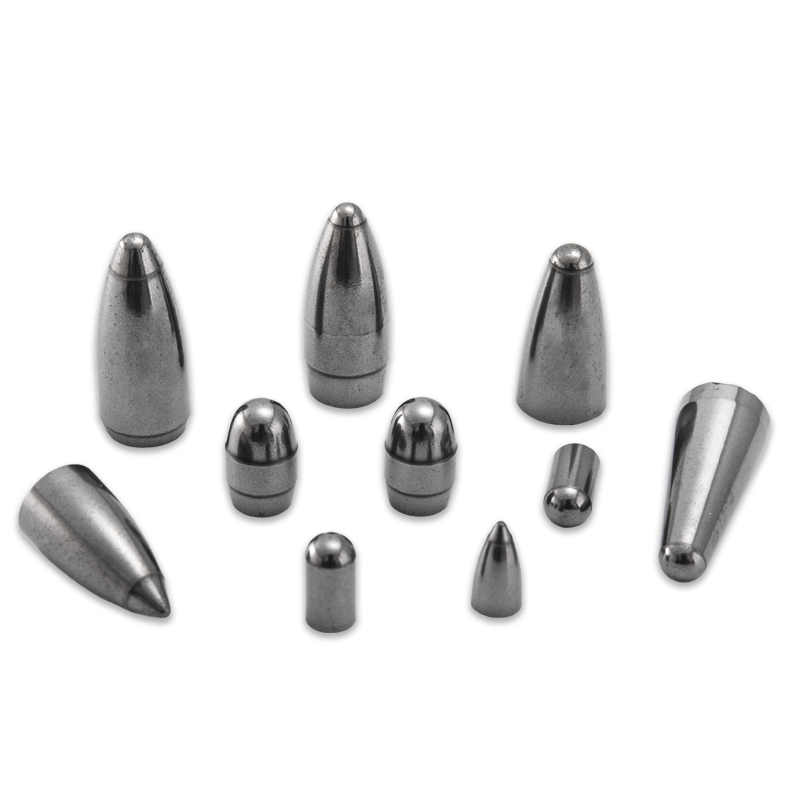
Tungsten Carbide Rock Drilling Tools are specialized cutting tools designed for drilling into extremely hard materials such as rock, stone, concrete, and ore. These tools typically consist of steel tool bodies combined with tungsten carbide inserts or tips. Tungsten carbide is one of the hardest industrial materials available, offering exceptional wear resistance, strength, and durability under high-impact drilling conditions.
In mining, quarrying, and construction projects, carbide rock drilling tools are used to create holes for blasting, anchoring, and geological exploration. Because drilling operations often involve continuous friction, high pressure, and abrasive rock surfaces, ordinary steel tools would wear out quickly. Tungsten carbide drilling tools significantly extend tool life and maintain cutting performance even in extremely harsh environments.
Why Tungsten Carbide Is Used in Rock Drilling Tools
The effectiveness of tungsten carbide rock drilling tools comes from the unique physical properties of tungsten carbide material. Compared with conventional tool steel, tungsten carbide offers superior hardness and resistance to wear. This makes it particularly suitable for drilling operations involving granite, basalt, limestone, and other hard rock formations.
Key Material Advantages
- Extremely high hardness, allowing efficient cutting through hard rock formations.
- Excellent wear resistance that significantly extends tool lifespan.
- Strong impact resistance suitable for hammer drilling and percussion drilling.
- High heat resistance during continuous drilling operations.
- Stable performance under high pressure and vibration conditions.
Because of these properties, tungsten carbide inserts are widely used in modern rock drilling equipment, enabling faster drilling speeds and reduced maintenance downtime.
Common Types of Tungsten Carbide Rock Drilling Tools
There are several types of tungsten carbide rock drilling tools designed for different drilling systems and geological conditions. Each type offers specific advantages depending on the drilling technique used, such as rotary drilling, percussion drilling, or down-the-hole drilling.
| Tool Type | Main Features | Typical Applications |
| Button Drill Bits | Carbide button inserts for high impact resistance | Mining and tunnel drilling |
| Cross Bits | Cross-shaped carbide cutting edges | Medium hardness rock drilling |
| Down-The-Hole (DTH) Bits | Designed for high-pressure air hammer drilling | Deep hole mining and quarry drilling |
| Tapered Drill Bits | Tapered connection for handheld drilling machines | Small quarry and construction drilling |
Applications of Tungsten Carbide Rock Drilling Tools
Tungsten carbide rock drilling tools play a crucial role in multiple heavy industries that rely on efficient rock penetration and material removal. Their ability to withstand abrasive conditions makes them indispensable for large-scale drilling operations.
Mining Operations
In mining environments, carbide rock drill bits are used to drill blast holes that allow controlled rock fragmentation. The durability of tungsten carbide ensures consistent drilling depth and accuracy even in extremely hard ore deposits.
Quarrying and Stone Extraction
Quarry operators rely on tungsten carbide drilling tools to extract granite, limestone, marble, and other natural stones. Efficient drilling improves productivity and reduces operational costs in large-scale quarry projects.
Construction and Infrastructure Projects
In construction projects such as tunnel building, foundation drilling, and road construction, rock drilling tools with carbide tips provide the strength required to penetrate concrete and bedrock layers.
- Underground mining drilling operations.
- Open-pit quarry drilling.
- Tunnel and subway construction.
- Geological exploration drilling.
- Road and infrastructure engineering projects.
How to Choose the Right Tungsten Carbide Rock Drilling Tools
Selecting the right tungsten carbide rock drilling tools requires understanding the geological conditions and the drilling equipment used. Different rock hardness levels, drilling methods, and project requirements influence the best tool choice.
For example, button bits are generally preferred for hard rock drilling because their rounded carbide inserts distribute impact forces more evenly. Meanwhile, cross bits may perform well in softer or fractured rock formations. Choosing the correct tool geometry improves drilling efficiency and reduces tool wear.
Key Selection Factors
- Hardness and abrasiveness of the rock formation.
- Type of drilling equipment used.
- Hole diameter and drilling depth requirements.
- Impact resistance and wear resistance of carbide inserts.
- Cost efficiency and expected service life.
Maintenance Tips for Longer Tool Life
Even though tungsten carbide rock drilling tools are highly durable, proper maintenance can significantly extend their operational lifespan. Regular inspection and correct drilling practices help prevent premature wear and equipment damage.
Operators should ensure proper drilling pressure, adequate cooling or air flushing, and regular sharpening or replacement of worn drill bits. Maintaining the correct drilling parameters not only improves efficiency but also protects the carbide inserts from excessive stress.
- Inspect carbide tips regularly for cracks or excessive wear.
- Use proper drilling speed and pressure settings.
- Ensure effective cooling and debris removal.
- Store tools in dry and protected environments.
With the right tool selection and maintenance practices, tungsten carbide rock drilling tools provide reliable performance in demanding drilling applications while helping reduce overall operating costs.
Our Products //
Related Products

If you are interested in our products, please consult us
