

 English
 русский
Customize Tungsten Carbide: A Practical Guide to Getting the Right Part Made
Industry News-Content
- 1 What It Actually Means to Customize Tungsten Carbide
- 2 Common Industries and Applications That Rely on Custom Carbide
- 3 How the Custom Manufacturing Process Works
- 4 Choosing the Right Grade and Specifications for Your Part
- 5 Why Custom Carbide Often Outperforms Standard Stock Parts
- 6 What to Provide a Manufacturer When Requesting a Custom Part
What It Actually Means to Customize Tungsten Carbide
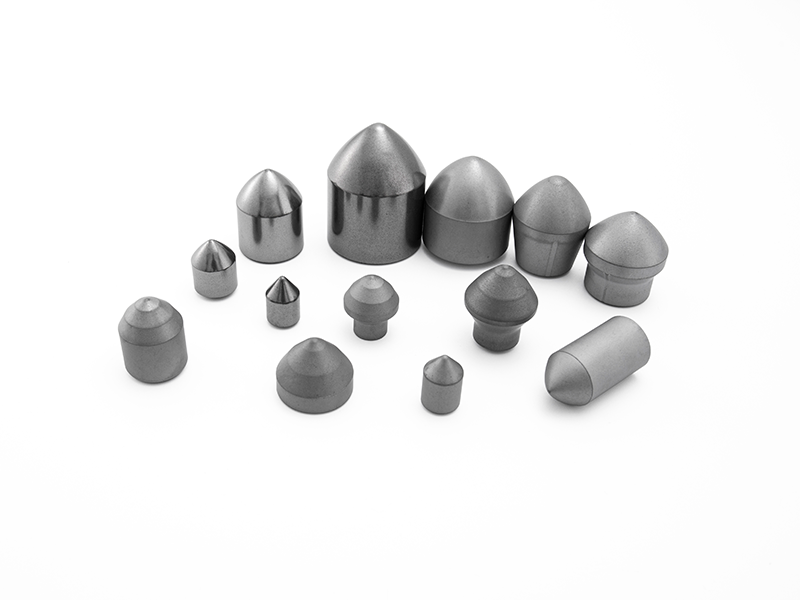
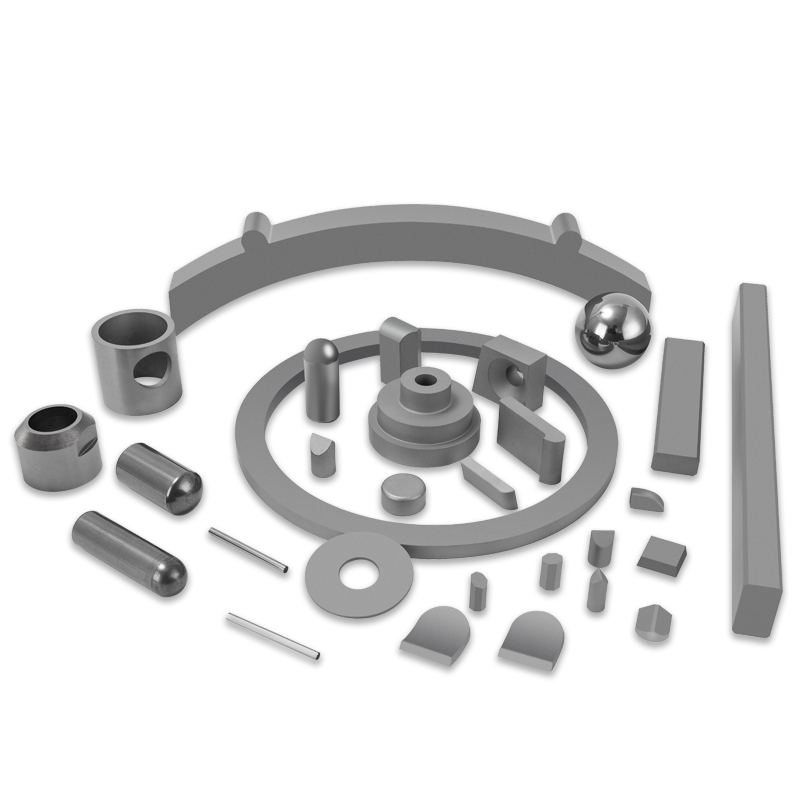
To customize tungsten carbide means working with a manufacturer to produce a tungsten carbide part built to your exact shape, size, grade, and performance requirements rather than buying an off-the-shelf blank or standard tool. Custom tungsten carbide parts are made by blending tungsten carbide powders with a cobalt binder to create the desired form through mechanically pressing, machining, sintering, and then diamond wheel grinding to meet exact specifications. Because the part is built from raw powder rather than cut from a pre-made block, the entire composition can be tailored to the application from the very first step, rather than settling for a generic grade that only partially fits the job.
This level of customization matters because tungsten carbide isn't a single uniform material; it behaves differently depending on grain size, binder content, and how it's shaped and finished. Customization in tungsten carbide applications is often essential to meet specific requirements for various industries, since a cutting tool used in high-speed machining needs very different properties than a wear part exposed to constant abrasion in a mining operation. Working with a supplier that understands custom tungsten carbide tooling means the final part is engineered around your actual operating conditions instead of a one-size-fits-all spec sheet.
Common Industries and Applications That Rely on Custom Carbide
Custom tungsten carbide shows up across a wide range of industrial sectors, largely because the material's hardness, wear resistance, and heat tolerance make it useful anywhere parts face constant friction, impact, or extreme operating conditions. Custom carbide components are manufactured for numerous applications across multiple industries, including metalworking, oil and gas, mining, woodworking, food processing, and aerospace. Each of these industries tends to need a different combination of properties, which is exactly why customization rather than standard stock parts tends to deliver better long-term performance.
Where Customized Tungsten Carbide Parts Are Commonly Used
- Cutting tools such as end mills, drill bits, reamers, and inserts for milling, drilling, and turning
- Wear parts and wear liners for mining, construction, and agricultural equipment
- Dies, punches, and tooling used in metal forming and stamping operations
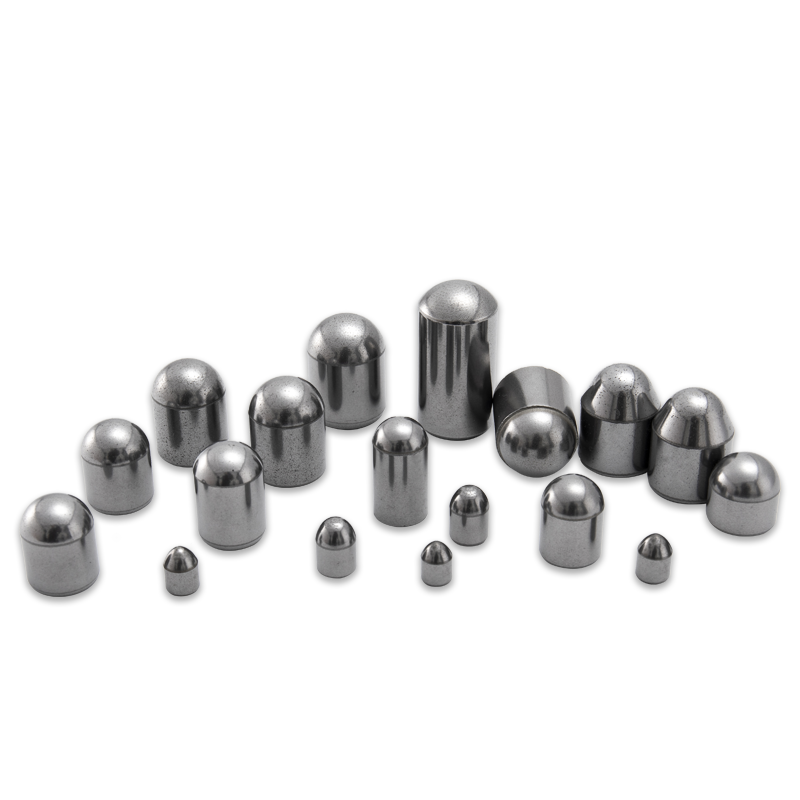
- Nozzles, buttons, and drilling inserts for oil and gas drilling equipment
- Wire drawing dies and straightener rolls for wire and cable manufacturing
- Bearing balls and valve components requiring high precision and durability
How the Custom Manufacturing Process Works
Producing a custom tungsten carbide part follows a fairly consistent sequence regardless of the end application, starting with design and ending with precision finishing. The process typically begins by determining the design, taking into account the necessary carbide grade, shape, size, and intended application before any material is mixed. From there, manufacturers often build a custom mold using one of several strategies, ranging from a simple single-cavity standard die to a split-cavity die for added design flexibility, or a multiple-out die for producing several components simultaneously on high-volume orders.
Typical Steps in Custom Carbide Production
| Step | What Happens |
| Design and engineering | Define shape, size, grade, and application requirements |
| Mold development | Build standard, split-cavity, or multiple-out die |
| Grade selection | Choose carbide composition for toughness, hardness, and fracture resistance |
| Powder mixing and pressing | Blend tungsten carbide powder with cobalt or nickel binder, press into mold |
| Sintering and finishing | Heat-treat the part, then machine and diamond-grind to final specifications |
Choosing the Right Grade and Specifications for Your Part
Selecting the right carbide grade is one of the most important decisions in any customization project, since grade directly determines how a part performs under real operating conditions. Manufacturers typically select the right carbide material grade based on key factors such as toughness, hardness, and resistance to fracturing, weighing these properties against what the finished part will actually face in service. A part destined for high-impact mining applications generally needs a tougher, more impact-resistant grade, while a precision cutting tool benefits more from a harder, finer-grain composition that holds a sharp edge longer.
Key Factors to Discuss With Your Supplier
- The exact operating environment, including temperature, abrasion, and impact exposure
- Required hardness versus toughness balance for the specific application
- Binder content and grain size, since both affect wear resistance and fracture risk
- Dimensional tolerances needed for the part to function correctly in your equipment
- Surface finish requirements, particularly for parts requiring tight sealing or smooth contact
- Production volume, since this affects which mold strategy and pricing structure makes sense
Why Custom Carbide Often Outperforms Standard Stock Parts
While standard tungsten carbide blanks and tools are perfectly adequate for many general-purpose tasks, custom-engineered parts tend to deliver a clear performance edge in demanding or specialized operations. One of the main benefits is unparalleled durability, since tungsten carbide's ability to hold up in harsh environments minimizes wear and tear, reducing maintenance needs and unplanned downtime when the grade and geometry are matched precisely to the job. Custom parts also tend to improve performance by staying sharp and creating cleaner cuts even on complex geometries, which translates into more efficient processes and lower operational costs over time.
Increased versatility is another advantage worth considering, since a wide range of industries from oil and gas to food processing rely on custom carbide tools shaped specifically for their equipment and materials. While the upfront cost of a custom part is sometimes higher than a standard alternative, the longer service life and reduced replacement frequency often make custom tungsten carbide the more economical choice over the full lifespan of the equipment it supports.
What to Provide a Manufacturer When Requesting a Custom Part
Getting an accurate quote and a well-built custom tungsten carbide part starts with giving your manufacturer enough information to work with. Many suppliers can manufacture precision carbide components for machinery, aerospace, automotive, and oil and gas applications using nothing more than a print, a rough sketch, or even a clearly described idea, but the more detail provided upfront, the fewer revisions are needed later. Including dimensional drawings, expected operating conditions, and any prior part failures you've experienced with standard tooling all help a manufacturer's engineering team recommend the right grade and geometry the first time around.
It's also worth asking directly about a supplier's experience with parts similar to yours, since manufacturers who specialize in certain industries, such as wire drawing dies or oil and gas drilling components, often bring valuable insight into common failure points and design improvements that a generalist supplier might miss. A short conversation about your specific application before finalizing specifications can prevent costly redesigns down the line.
Our Products //
Related Products
If you are interested in our products, please consult us
