

 English
 русский
TBM Tungsten Carbide Inserts: The Unsung Component Behind Every Tunnel Bore
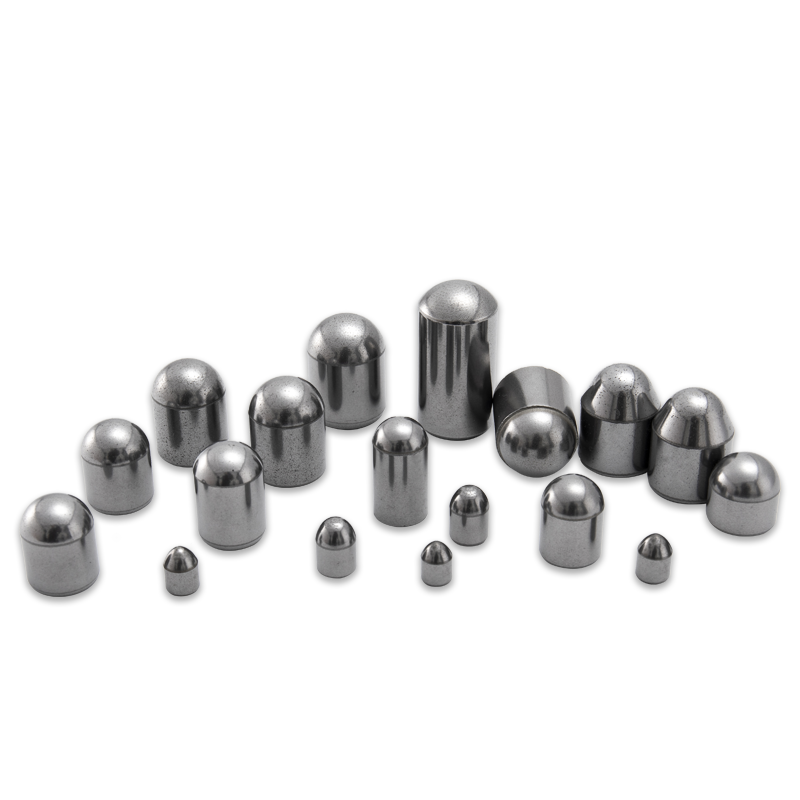
Industry News-Boring a tunnel through solid rock places extraordinary demands on cutting equipment, and few components face a harsher working environment than the cutting tools mounted on the face of a tunnel boring machine. TBM tungsten carbide inserts are the small but critical wear parts responsible for actually breaking, grinding, or fragmenting rock as the machine advances, often operating continuously under massive compressive loads while embedded in disc cutters, drag bits, or roller cutters. Because these inserts directly determine cutting efficiency, tool life, and overall project cost, selecting the right grade and geometry is far from a minor decision. This article explains how tungsten carbide inserts function within a TBM cutting system, what affects their performance and wear rate, and how to approach selection and maintenance for demanding underground excavation projects.
Content
- 1 The Role of Tungsten Carbide Inserts in Tunnel Boring Operations
- 2 How Tungsten Carbide Inserts Are Manufactured
- 3 Factors That Influence Tungsten Carbide Grade Selection
- 4 Comparing Insert Types Used Across Different Cutting Tools
- 5 Common Wear Patterns and What They Indicate
- 6 Best Practices for Extending Insert Service Life
The Role of Tungsten Carbide Inserts in Tunnel Boring Operations
TBM tungsten carbide inserts are mounted into the cutting tools positioned across the rotating cutterhead of a tunnel boring machine. As the cutterhead rotates and advances into the rock face, these inserts bear the direct impact and abrasive forces required to fracture and remove rock material, allowing the machine to progress through solid geological formations at a controlled rate.
Because tungsten carbide combines exceptional hardness with meaningful toughness — a rare combination in cutting tool materials — it's uniquely suited to this application. Pure hardness alone would make a material prone to brittle fracture under the repeated impact loading typical of rock excavation, while insufficient hardness would lead to rapid wear from abrasive rock contact. Tungsten carbide strikes a practical balance between these two properties, which is why it remains the dominant material choice for TBM cutting insert applications despite ongoing research into alternative superhard materials.
How Tungsten Carbide Inserts Are Manufactured
Tungsten carbide inserts used in TBM applications are produced through a powder metallurgy process, where finely milled tungsten carbide powder is combined with a metallic binder, typically cobalt, and then compacted under high pressure into the desired insert shape.
Sintering and Densification
Once pressed into shape, the compacted material undergoes a sintering process at extremely high temperatures, which fuses the tungsten carbide particles together and binds them within the cobalt matrix. This step is critical to achieving the dense, low-porosity structure needed for the insert to withstand the repeated impact loading experienced during tunnel boring without premature cracking or chipping.
Grinding and Final Shaping
After sintering, inserts are precision ground to their final geometry, ensuring consistent dimensions and a properly formed cutting edge or tip profile. This precision matters significantly for TBM applications, since inconsistent insert geometry across a cutterhead can lead to uneven wear and reduced overall cutting efficiency.
Factors That Influence Tungsten Carbide Grade Selection
Not all tungsten carbide is created equal, and selecting the appropriate grade for TBM tungsten carbide inserts depends heavily on the specific geological conditions and cutting demands of a given project.
- Cobalt content — higher cobalt percentages increase toughness but reduce hardness and wear resistance
- Grain size of the tungsten carbide particles — finer grain structures generally improve hardness and edge retention
- Rock hardness and abrasiveness at the excavation site, which determines how aggressive a grade is needed
- Presence of highly fractured or mixed-face ground conditions, which can increase impact loading unpredictability
- Target advance rate and cutterhead rotational speed, which affect the frequency and intensity of insert impacts
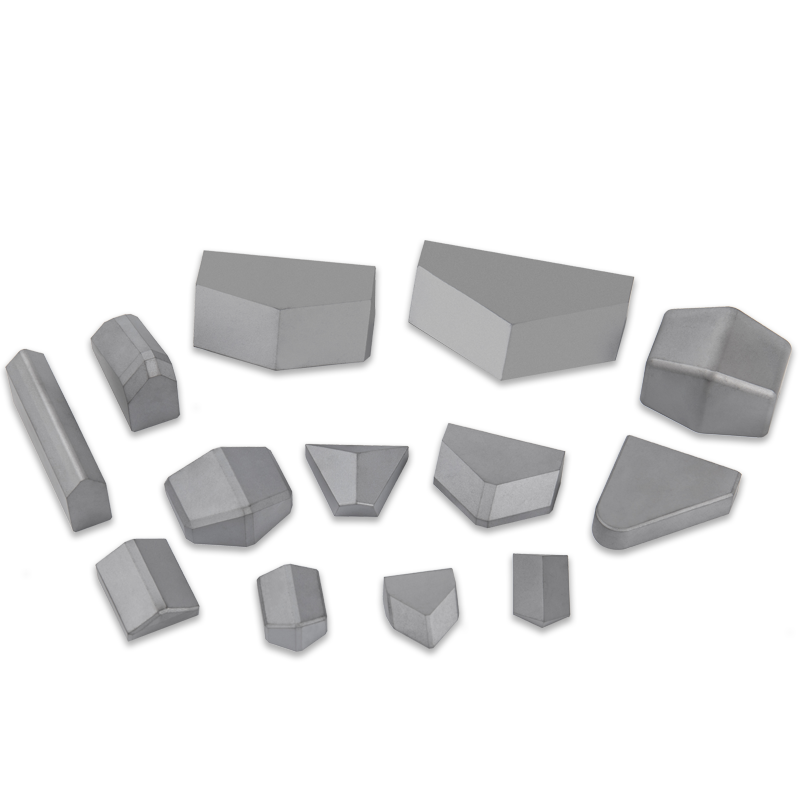
Comparing Insert Types Used Across Different Cutting Tools
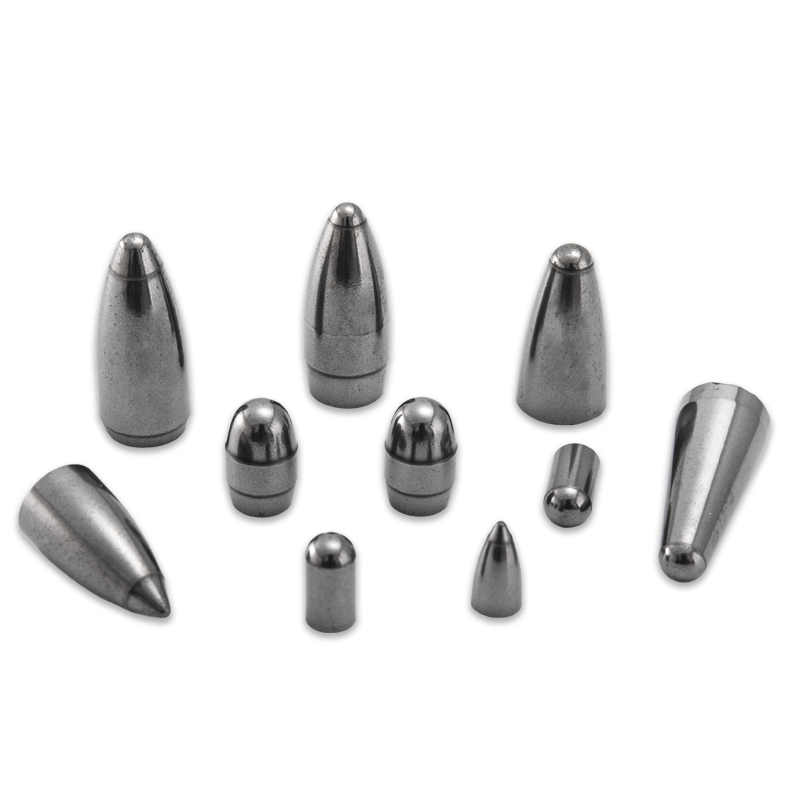
TBM tungsten carbide inserts are used across several different cutting tool designs, each suited to different rock conditions and excavation approaches.
| Cutting Tool Type | Best Suited For | Insert Characteristic |
| Disc Cutters | Hard rock formations | High compressive strength, wear-resistant edge |
| Drag Bits | Soft to medium rock and soil | Sharper cutting edge, moderate toughness |
| Roller Cutters | Mixed-face or variable geology | Balanced hardness and impact resistance |
| Scraper Cutters | Soft ground and clay-rich soil | Lower hardness, higher toughness for abrasion |
Common Wear Patterns and What They Indicate
Monitoring how tungsten carbide inserts wear over the course of a tunnel boring project provides valuable insight into whether the current tooling grade and geometry are well matched to actual ground conditions.
Abrasive Wear
Gradual, even wear across the cutting face typically indicates normal abrasive interaction with rock material. While expected over time, an unusually rapid rate of abrasive wear may suggest the selected carbide grade lacks sufficient hardness for the encountered rock abrasiveness.
Chipping and Fracture
Chipped or fractured inserts often point to excessive impact loading, which can result from encountering unexpectedly hard inclusions, boulders, or highly fractured ground. In these cases, a tougher grade with higher cobalt content may reduce the frequency of this failure mode, even at some cost to overall wear resistance.
Thermal Cracking
In cases of insufficient cooling or excessive cutting speed, localized heat buildup can cause thermal cracking on the insert surface. This wear pattern often signals a need to review cutterhead rotational speed, cooling system performance, or cutting force distribution across the tool array.
Best Practices for Extending Insert Service Life
Maximizing the operational life of TBM tungsten carbide inserts requires attention to both tooling selection and ongoing operational practices throughout the excavation process. Conducting thorough geological surveys before tunneling begins allows engineering teams to select an appropriate carbide grade and cutting tool configuration matched to expected ground conditions, rather than relying on general-purpose tooling that may underperform in specific rock types.
During operation, monitoring cutterhead torque, advance rate, and vibration data can help identify early signs of abnormal insert wear before it leads to significant tool damage or reduced excavation efficiency. Scheduled inspection intervals, where accessible cutting tools are visually checked for chipping, cracking, or uneven wear, also allow for proactive replacement planning rather than reactive repairs that can halt tunneling progress. Finally, maintaining proper cutterhead alignment and ensuring cutting tools are installed to the correct torque specification helps prevent uneven load distribution that can accelerate wear on individual inserts across the cutting face.
Our Products //
Related Products

If you are interested in our products, please consult us
