

 English
 русский
Tungsten Carbide Road Milling Tools: How to Pick the Right Bits and Make Them Last
Industry News-Content
- 1 What Tungsten Carbide Road Milling Tools Actually Do
- 2 How These Tools Are Built and Why Design Matters
- 3 Matching Milling Tools to Different Pavement Conditions
- 4 Signs That It's Time to Replace Your Milling Tools
- 5 Practical Tips to Extend Milling Tool Life
- 6 What to Ask Suppliers Before Buying in Bulk
What Tungsten Carbide Road Milling Tools Actually Do
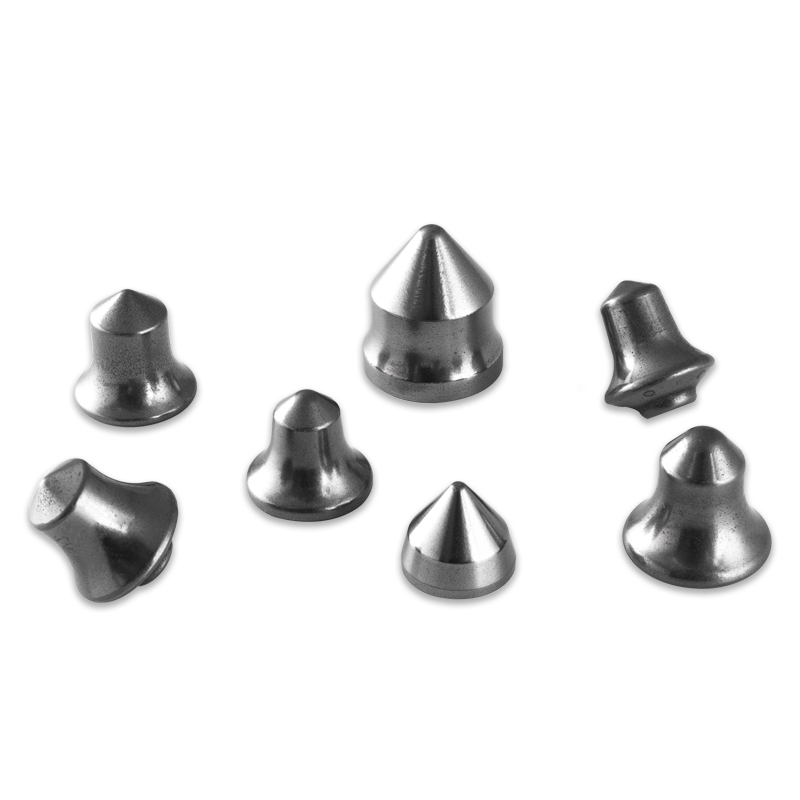
Tungsten carbide road milling tools are the cutting teeth mounted on the drum of a milling machine that chew through asphalt, concrete, and old pavement layers during road resurfacing and reconstruction projects. Each tool consists of a steel body with a tungsten carbide tip brazed onto the working end, since carbide holds an edge far longer than steel alone when grinding through abrasive pavement material at high speed. As the milling drum spins, these tools repeatedly strike and shear the road surface, breaking it into manageable chunks that get conveyed away for recycling or disposal.
Given how much abuse these tools take on a daily basis, from constant impact to abrasive wear from aggregate and rebar, the quality of the carbide tip and how well it's bonded to the steel body determines how many hours a crew gets out of a single set before replacement. On a busy paving crew, milling tool costs add up fast, so getting the selection and maintenance right has a direct effect on job profitability.
How These Tools Are Built and Why Design Matters
Not every carbide milling tool is built the same way, and small design differences affect performance significantly depending on the material being cut and the machine's operating speed.
Carbide Tip Grade and Shape
Carbide grades vary in hardness and toughness, and manufacturers balance these two properties depending on the intended application. Harder grades resist wear better in abrasive asphalt but can be more prone to chipping on concrete or when hitting rebar, while tougher grades handle impact better but wear down faster on straight abrasive cutting.
Steel Body and Braze Quality
The braze joint connecting the carbide tip to the steel body is often the weak point if manufacturing quality is poor. A properly brazed tool distributes impact stress evenly across the joint, while a poorly brazed one can allow the carbide tip to separate from the body entirely under repeated shock loading.
Tool Holder and Retention System
The tool holder locks the milling tool into the drum and allows it to rotate freely during operation, which helps distribute wear evenly around the tip instead of concentrating it on one side. A worn or damaged holder prevents this rotation, leading to uneven wear and much shorter tool life even if the carbide itself is high quality.
Matching Milling Tools to Different Pavement Conditions
Choosing the right tungsten carbide milling tool depends heavily on what you're cutting through. Using the wrong tool for the job accelerates wear and increases the risk of tip damage or breakage.
| Pavement Type | Recommended Carbide Grade | Key Consideration |
| Standard Asphalt | Standard wear-resistant grade | Balance of wear resistance and cost |
| Reinforced Concrete | Impact-tough grade | Resistance to chipping from rebar contact |
| High-Abrasion Aggregate Mixes | Hard, wear-focused grade | Maximizing tool life over impact resistance |
| Mixed or Unknown Layers | Balanced general-purpose grade | Versatility across variable conditions |
Signs That It's Time to Replace Your Milling Tools
Catching worn milling tools before they fail completely saves both machine downtime and prevents damage to the drum itself. Crews that inspect tools regularly tend to avoid the costly surprise of a snapped tool mid-job.
- Visible flattening of the carbide tip, which reduces cutting efficiency and increases strain on the machine's drum motor.
- Chipped or cracked carbide sections, which can worsen quickly and lead to complete tip loss if left in service.
- Tools that no longer rotate freely in their holders, often indicating a worn holder rather than the tool itself.
- A noticeable drop in milling speed or increased vibration, which often signals multiple worn tools working less efficiently together.
- Uneven wear patterns across the drum, suggesting some tools are absorbing more load than others due to holder or alignment issues.
Replacing tools proactively based on these signs, rather than waiting for a complete failure, keeps milling operations running at consistent speed and avoids the risk of drum damage from a broken tool shard.
Practical Tips to Extend Milling Tool Life
A few operational habits make a real difference in how long a set of tungsten carbide road milling tools lasts on the job, often stretching service life significantly beyond what careless operation would achieve.
- Maintain the manufacturer's recommended drum rotation speed and depth of cut, since pushing beyond these limits accelerates wear dramatically.
- Inspect tool holders regularly and replace worn ones promptly, since a bad holder damages new tools just as quickly as old ones.
- Rotate tool positions on the drum periodically if the machine design allows it, helping distribute wear more evenly across the full set.
- Keep water spray systems properly adjusted, since adequate cooling reduces heat buildup that can degrade both carbide and braze joints over time.
- Store spare tools in a dry area away from moisture, which can cause corrosion on the steel body even before the tool is put into service.
Following these practices consistently helps crews get the most value out of every set of carbide tools purchased, reducing both replacement frequency and the unplanned downtime that comes with tool failures mid-project.
What to Ask Suppliers Before Buying in Bulk
Since milling crews often order tools in bulk to keep projects moving without frequent reorders, it pays to ask a few pointed questions before committing to a large purchase from a new supplier.
- Ask which carbide grade the tools use and whether it's suited to your typical pavement conditions rather than a generic all-purpose blend.
- Request wear test data or field performance reports from similar milling operations if available.
- Confirm the shank size and holder compatibility match your specific drum and machine model exactly.
- Ask about minimum order quantities and lead times, since running out of tools mid-project can stall an entire crew.
Getting clear answers to these questions upfront helps avoid the common and costly mistake of bulk-ordering tools that turn out to be a poor match for your machine or job conditions, only discovering the problem once the project is already underway.
Our Products //
Related Products

If you are interested in our products, please consult us
